



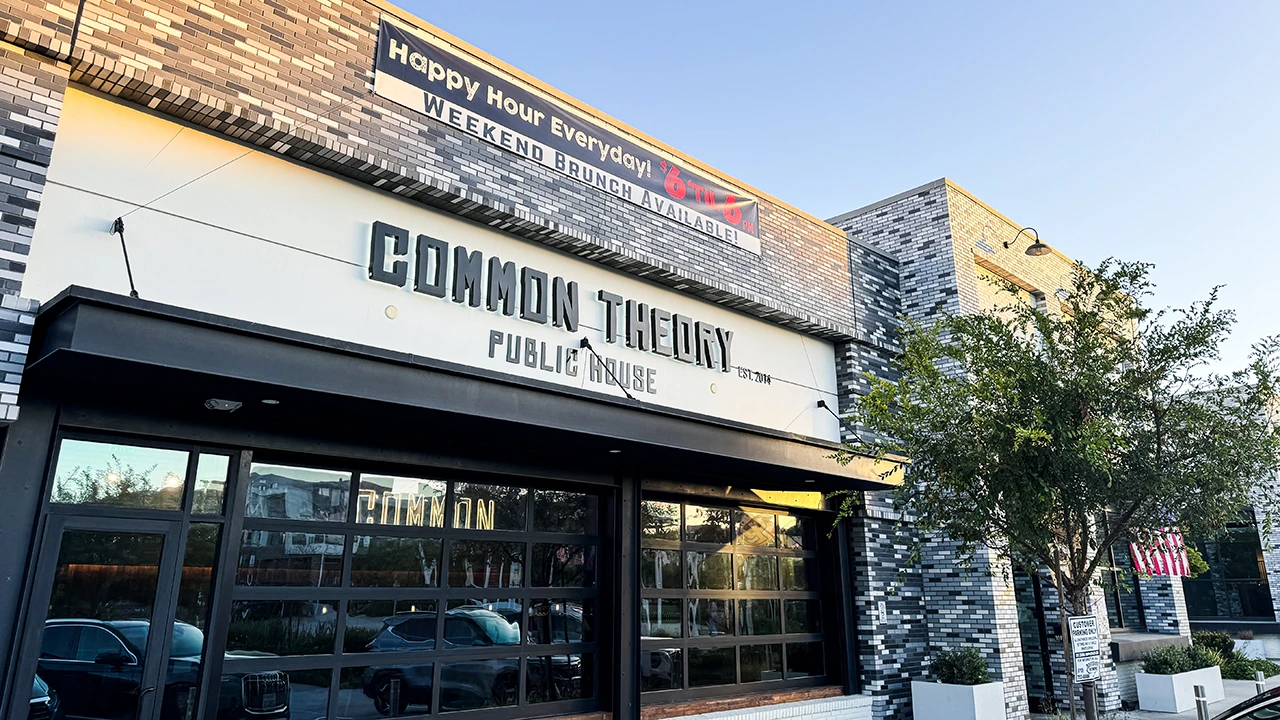
The lights go dark this week at Common Theory in Chula Vista, marking another painful loss for Chula Vista’s dining scene. Just two years after opening with excitement and optimism, the gastropub is closing due to problems that had nothing to do with the food—and everything to do with broken promises.
Owners Cris Liang and Joon Lee, both Chula Vista natives, announced the closure on Instagram. They described the decision as painful but unavoidable. The Millenia spot was deeply personal for them—a chance to bring their successful restaurant concept back home after years of running the original location in the Convoy District.
What Made Common Theory Worth Saving
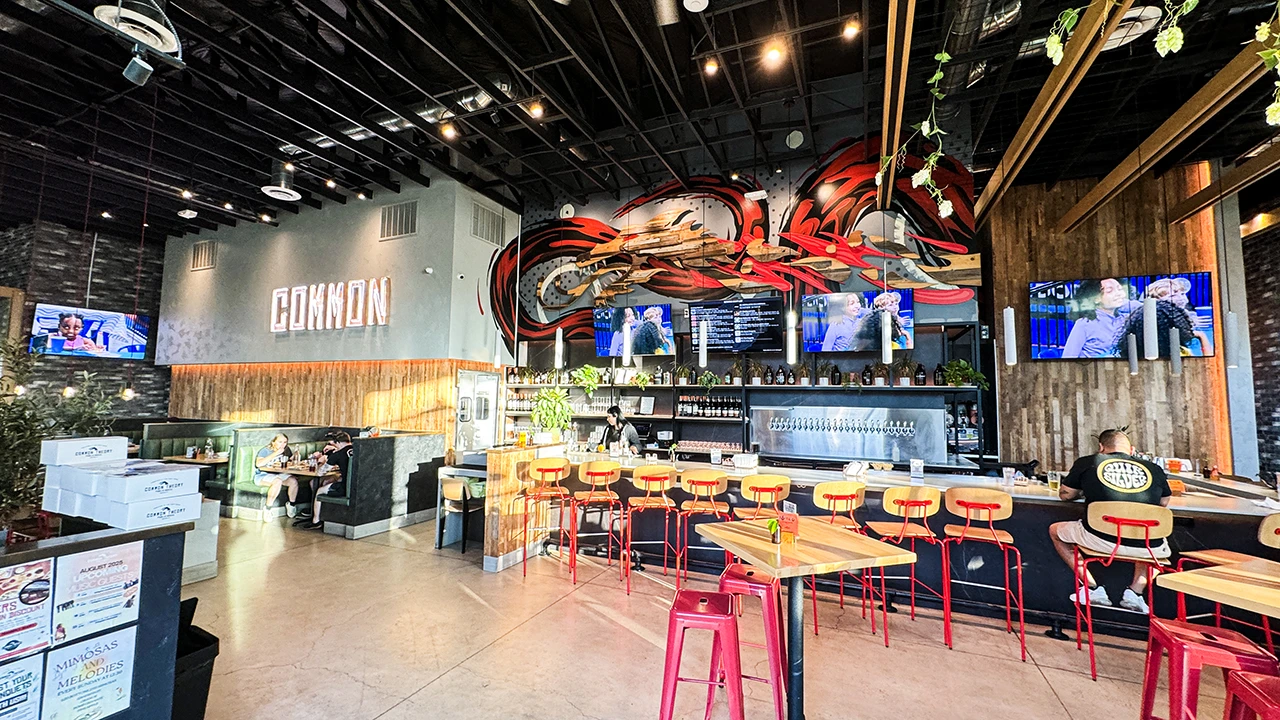
Walk through the doors and you’d be greeted by a striking 3D dragon sculpture twisting across the wall—a piece by San Diego artist Christopher Konecki that set the tone for everything else. The space felt open and welcoming with big windows flooding in natural light and a large communal table perfect for groups celebrating together.
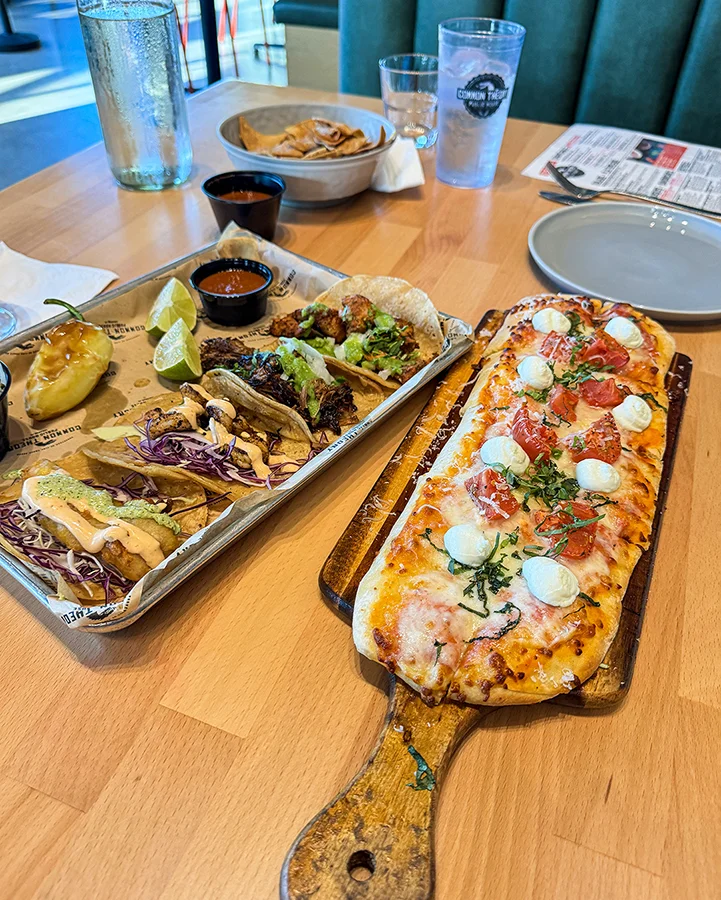
The 4,500-square-foot gastropub featured an impressive 30-tap beer program that attracted craft beer enthusiasts from across South Bay. The menu delivered fan favorites from the Kearny Mesa flagship: crispy Szechuan hot-fried chicken with the perfect heat level, savory kimchi fried rice that kept regulars coming back, wings with Asian-inspired glazes, and elevated burgers that satisfied every craving. Liang and Lee had plans to expand into Mexican and Southeast Asian flavors too—a fusion that would have been perfect for our diverse city.
For the founders, this wasn’t just another business venture. After more than a decade of success in Kearny Mesa, they wanted to share that same energy with South Bay diners. The grand opening in March 2024 brought genuine smiles to Millenia residents. Neighbors celebrated having a quality gastropub right in their area.
Why Common Theory in Chula Vista Failed
The food was excellent. The atmosphere drew praise. Regular customers fell in love with the place. So what went wrong?
Location problems and broken development promises killed Common Theory.
The shopping plaza around the restaurant remained unfinished long after opening day. Promised parking infrastructure never materialized. The gastropub sat hidden with poor visibility, making it nearly impossible for customers to find—and even harder to park once they arrived.
Countless residents tried to visit but gave up after circling the lot for 10 minutes with zero available spots. Others who lived blocks away didn’t even know the restaurant existed. Several long-delayed projects meant to support the area failed to launch, leaving independent operators without the basic conditions needed to survive.
Hard to find and no parking. Sorry but if u want other people to go besides neighbors u have to make it more accessible. Otay ranch still alive on Tuesday farmers market and yard house opening. Cheesecake Factory still draws a decent crowd. Plus u have to understand there’s been a lot of layoffs lately so people don’t have the money to spend like before.
One Reddit user posted on the thread. To view the thread on Reddit, you can click here.
The owners pointed out a harsh truth: independent restaurants absorb economic hits and development setbacks much faster than big-chain restaurants. Small businesses operate on thin margins—even five extra customers per week can mean the difference between staying open and closing. When the support systems don’t exist, even outstanding food and strong backing from the neighborhood aren’t enough.
What This Closure Means for Chula Vista
Common Theory in Chula Vista represents the sixth notable business Chula Vista has lost this year. Each closure chips away at what makes our city special.
This loss stings worse because the gastropub represented hope—proof that successful restaurateurs wanted to invest in South Bay. The closure shows what happens when developers make promises they don’t keep and when infrastructure lags years behind ribbon-cutting ceremonies.
Our city deserves better. We need developments that actually support the businesses they attract. We need adequate parking, good visibility, and completed projects before restaurants open their doors. Otherwise, we’ll keep watching talented owners pour their hearts and savings into ventures doomed from the start.
How You Can Help Chula Vista Restaurants Survive
Liang and Lee ended their announcement with an urgent message: keep supporting locally owned restaurants.
Small eateries feel economic downturns and incomplete developments long before national chains notice. They need customers who show up, spread the word, and choose local over corporate. Your actions make a real difference for business owners working hard to serve our neighborhoods.
Chula Vista still has amazing dining options worth discovering. Take time this week to try a new spot or revisit an old favorite. Bring friends. Post about your experience. Tag the restaurant. These simple acts help keep doors open.
Common Theory’s original Convoy Street location remains open, along with sister concepts Realm of the 52 Remedies and Woomiok. If you loved the Chula Vista spot, you can still enjoy their food in Kearny Mesa.
Be sure to get out there and support small businesses
Common Theory’s empty windows at Millenia will serve as a reminder: good intentions and great food aren’t enough when the foundation crumbles beneath you. This closure happened because developers failed to deliver promised infrastructure, not because the restaurant failed to deliver quality.
Liang and Lee took a risk on their hometown. They brought jobs, culture, and gathering space to the South Bay. They deserved better than an unfinished plaza and phantom parking spots.
Our community deserves better, too. We need to demand accountability from developers who court restaurants with big promises, then leave them stranded in half-built shopping centers. And we need to show up for the businesses brave enough to invest here anyway.
Did you dine at Common Theory Chula Vista? Please share your favorite memories and photos on our Facebook page. And keep following us for more updates on local businesses—together, we can help South Bay’s independent restaurants thrive.

